Operating Models for AI

14 min create 4 sections
Step 1 of 4

WHY WHY This Matters

Individual AI projects can succeed with ad-hoc approaches. AI at scale cannot.

When AI moves from pilots to production, from one team to many, organizations need:

  • Clear ownership and accountability
  • Consistent standards and practices
  • Efficient resource allocation
  • Systematic learning and improvement
  • Appropriate risk management

The operating model is what makes AI scalable, sustainable, and safe. Without it, you get fragmented efforts, duplicated work, inconsistent quality, and ungovernable risk.
Step 2 of 4

WHAT WHAT You Need to Know

Operating Model Components

The Organizational Models

Three primary patterns for organizing AI capability:

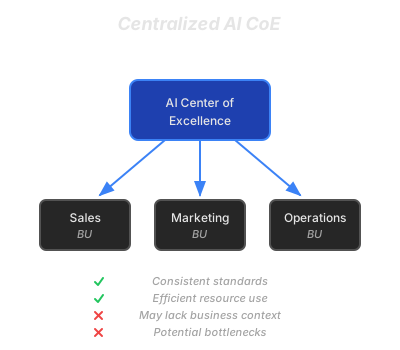
Model 1: Centralized (Center of Excellence)

Centralized AI CoE model where all AI talent and work flows through a central team to business units

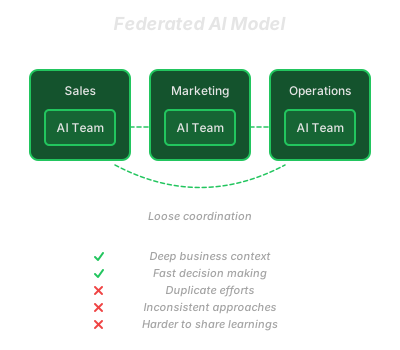
Model 2: Federated (Hub and Spoke)

Federated AI model where each business unit has its own AI team with loose coordination

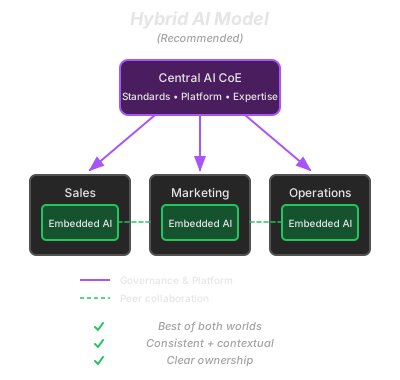
Model 3: Hybrid (Matrix) (Recommended)

Hybrid AI model combining a central CoE for standards and expertise with embedded AI talent in each business unit

Choosing the Right Model

Factor Favors Centralized Favors Federated Favors Hybrid
AI maturity Low Medium-High Medium
Org size Small-Medium Large Medium-Large
BU diversity Low High Medium
Talent availability Scarce Available Mixed
Regulation intensity High Low Medium

The Center of Excellence Model

For most enterprises starting their AI journey, a CoE is the right foundation:

Governance Design

Decision Type Who Decides Who Advises Who Executes
AI strategy & vision Executive sponsor CoE, BU leaders CoE
Investment allocation Steering committee CoE, Finance BU leaders
Standards & policies CoE Legal, Security, Risk CoE
Use case approval Tiered (see below) CoE, Risk BU teams
Vendor selection IT + CoE Procurement CoE
Incident response CoE + Risk Legal Response team

Tiered Use Case Approval:

Tier Risk Level Approver Review Requirements
1 Low (internal, non-critical) Manager Self-assessment
2 Medium (customer-facing, review) CoE CoE review
3 High (autonomous, sensitive) Steering committee Full governance review

Scaling Patterns

As AI matures, the operating model evolves:

Stage 1: Seed (0-6 months)

  • Small core team (2-4 people)
  • Focus on first pilots
  • Establish initial standards
  • Prove value

Stage 2: Grow (6-18 months)

  • Formal CoE structure
  • First production deployments
  • Training programs launched
  • Governance established

Stage 3: Scale (18-36 months)

  • Federated teams emerge
  • Self-service capabilities
  • Mature governance
  • Measured value delivery

Stage 4: Pervasive (36+ months)

  • AI embedded everywhere
  • CoE becomes strategic advisor
  • Continuous improvement
  • Industry leadership

Critical Success Factors

Factor Description Warning Signs
Executive sponsorship Active, visible support from C-suite AI buried in IT, no strategic priority
Clear ownership Unambiguous accountability "Everyone's responsibility" = nobody's
Funding model Sustainable investment approach Project-by-project begging
Talent strategy Build, buy, borrow plan Always short on skills
Change management Systematic adoption approach Tech deployed, nobody uses it

Key Concepts

Key Concept

operating model

A complete AI operating model addresses five dimensions:

1. Organizational Structure

  • Where does AI capability live?
  • Who owns what?
  • How do teams coordinate?

2. Governance & Decision Rights

  • Who approves AI initiatives?
  • Who sets standards?
  • Who manages risk?

3. Talent & Skills

  • What roles are needed?
  • How is talent developed?
  • Where is expertise centralized vs. distributed?

4. Processes & Practices

  • How are AI projects delivered?
  • How is quality assured?
  • How is knowledge shared?

5. Technology & Platforms

  • What infrastructure is shared?
  • What tools are standard?
  • How is data managed?
Key Concept

coe functions

Core CoE Functions:

1. Standards & Governance

  • Define AI policies and guidelines
  • Set quality and risk standards
  • Manage compliance requirements

2. Platform & Tools

  • Provide shared AI infrastructure
  • Standardize tool selection
  • Manage vendor relationships

3. Expertise & Consulting

  • Provide specialized AI skills
  • Consult on complex initiatives
  • Solve cross-cutting problems

4. Enablement & Training

  • Build organizational AI literacy
  • Develop power users
  • Create learning resources

5. Innovation & Research

  • Explore emerging capabilities
  • Run Horizon 3 experiments
  • Curate external learning
Step 3 of 4

HOW HOW to Apply This

Exercise: Design Your Operating Model

Operating Model Canvas

AI OPERATING MODEL CANVAS
━━━━━━━━━━━━━━━━━━━━━━━━━━━━━━━━━━━━━━━━━━━━━━━

ORGANIZATIONAL STRUCTURE
┌──────────────────────────────────────────────┐
│ Model: [Centralized / Federated / Hybrid]    │
│ CoE Size: ___ FTEs                           │
│ Embedded Teams: ___                          │
│ Reporting Structure: ___                     │
└──────────────────────────────────────────────┘

GOVERNANCE                   │ TALENT
┌────────────────────────────┼────────────────────────────┐
│ Executive Sponsor: ___     │ Key Roles:                 │
│ Steering: ___              │ • ___                      │
│ Approval Tiers: ___        │ • ___                      │
│ Policy Owner: ___          │ Build/Buy/Borrow: ___      │
└────────────────────────────┼────────────────────────────┘

PROCESSES                    │ TECHNOLOGY
┌────────────────────────────┼────────────────────────────┐
│ Project Delivery: ___      │ Platform: ___              │
│ Quality Assurance: ___     │ Standard Tools: ___        │
│ Knowledge Sharing: ___     │ Data Infrastructure: ___   │
│ Incident Response: ___     │ Vendor Policy: ___         │
└────────────────────────────┴────────────────────────────┘

METRICS & ACCOUNTABILITY
┌──────────────────────────────────────────────┐
│ KPIs: ___                                    │
│ Review Cadence: ___                          │
│ Value Reporting: ___                         │
└──────────────────────────────────────────────┘

━━━━━━━━━━━━━━━━━━━━━━━━━━━━━━━━━━━━━━━━━━━━━━━

Self-Check


Practice Exercises

Context:

  • $1B revenue retail company
  • 8,000 employees across 5 business units
  • Current AI: Scattered pilots, no central coordination
  • Strategic priority: AI-driven customer experience

Part 1: Choose Your Organizational Model

Given the context, select and justify:

ORGANIZATIONAL MODEL CHOICE
━━━━━━━━━━━━━━━━━━━━━━━━━━━━━━━━━

Selected Model: □ Centralized □ Federated □ Hybrid

Rationale:
_________________________________________
_________________________________________
_________________________________________

Key Considerations:
•
•
•
━━━━━━━━━━━━━━━━━━━━━━━━━━━━━━━━━

Part 2: Design the CoE Structure

CENTER OF EXCELLENCE DESIGN
━━━━━━━━━━━━━━━━━━━━━━━━━━━━━━━━━

Reporting To: _________________________

Core Team Roles:
| Role | FTE | Responsibilities |
|------|:---:|------------------|
|      |     |                  |
|      |     |                  |
|      |     |                  |
|      |     |                  |

Year 1 Focus Areas:
1.
2.
3.

Year 1 Deliverables:
1.
2.
3.
━━━━━━━━━━━━━━━━━━━━━━━━━━━━━━━━━

Part 3: Define Governance

GOVERNANCE STRUCTURE
━━━━━━━━━━━━━━━━━━━━━━━━━━━━━━━━━

Executive Sponsor: _________________________
Role/Authority: _________________________

Steering Committee:
Members: _________________________
Frequency: _________________________
Authority: _________________________

Use Case Approval:
Tier 1 (Low Risk): _________________________
Tier 2 (Medium Risk): _________________________
Tier 3 (High Risk): _________________________
━━━━━━━━━━━━━━━━━━━━━━━━━━━━━━━━━

Part 4: Plan the Evolution

OPERATING MODEL EVOLUTION
━━━━━━━━━━━━━━━━━━━━━━━━━━━━━━━━━

Stage 1 (Year 1):
Team Size: ___
Focus: _________________________
Key Milestones:
•
•

Stage 2 (Year 2):
Team Size: ___
Focus: _________________________
Key Milestones:
•
•

Stage 3 (Year 3):
Team Size: ___
Focus: _________________________
Key Milestones:
•
•
━━━━━━━━━━━━━━━━━━━━━━━━━━━━━━━━━
Step 4 of 4

GENERIC Course Completion

Congratulations! You've completed the AI Operator Academy curriculum.

Your journey:

  • Phases 1-4: Built the foundation—from AI fundamentals through strategy and economics
  • Phase 5: Learned to lead—selling AI, building teams, scoping projects, communicating with stakeholders
  • Phase 6: Developed architectural thinking—discovery shifts, vertical playbooks, portfolio strategy, operating models

What's next:

  1. Complete the Phase 6 labs to practice vertical analysis and portfolio prioritization
  2. Create your Enterprise AI Roadmap (Phase 6 deliverable)
  3. Apply what you've learned to real initiatives in your organization

The field is moving fast. Keep learning, keep experimenting, and keep building.

Module Complete!

You've reached the end of this module. Review the checklist below to ensure you've understood the key concepts.

Progress Checklist

0/6
0% Complete
0/4 Sections
0/2 Concepts
0/1 Exercises